
Selling a House With Squatters in Florida
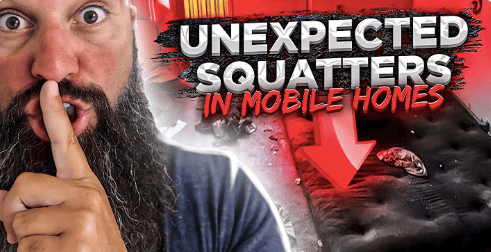
Dealing with squatters can feel overwhelming — especially when you’re trying to sell a property. Whether the home is vacant, inherited, or a former rental, squatters can create legal delays, safety concerns, and unexpected costs.
If you’re facing this situation, selling a house with squatters in Florida may still be possible — but the right strategy depends on whether the occupants are true squatters, former tenants, or unauthorized guests. This guide breaks down your options and the steps that typically matter most.
What Is a Squatter in Florida?
A squatter is someone occupying a property without the owner’s permission and without a valid lease agreement.
However, many “squatter” situations are actually one of these:
- A former tenant who won’t leave after the lease ends
- A guest or family member who refuses to move out
- An unauthorized occupant who moved in through a former tenant
- Someone who entered a vacant home without permission
The reason this matters: the legal process can be different depending on the situation.
Squatter vs Tenant vs Holdover Occupant (Why It Matters)
In Florida, the process to remove someone often depends on their status:
- Tenant: Has (or had) a lease or rental agreement
- Holdover tenant: Lease ended but they stayed
- Unauthorized occupant: No lease, but may claim permission or prior access
- Squatter: No legal right to occupy, but still physically present
If you treat a tenant like a squatter (or vice versa), it can delay removal and create legal problems.
Can You Sell a House With Squatters in Florida?
Yes — you can sell a house with squatters in Florida, but it’s not the same as a normal sale.
Common approaches include:
- Selling the property as-is to a buyer who understands occupant issues
- Resolving the occupancy before listing traditionally
- Selling after starting the legal process (in some cases)
- Selling a vacant house quickly before occupancy becomes a larger issue
If you want speed and simplicity, many owners choose an as-is sale rather than repairing, cleaning, and listing. One property we bought in Estero Florida had squatters who destroyed the property. We offered cash for keys to avoid further damage and eviction and got them to relocate quickly.
What Are the Risks of Keeping a Squatter-Occupied Property?
Squatters can create major risks for property owners, such as:
- Property damage and deferred maintenance
- Utility theft or unpaid utility bills
- Code enforcement issues
- Insurance complications
- Safety concerns
- Delays with showings, inspections, and closing
- Legal fees and court timelines
Even if the property is eventually recovered, the longer it goes on, the more expensive it tends to become.
Do Squatters Have Rights in Florida?
Florida laws can be complex, and occupant rights depend heavily on the facts. In some situations, squatters attempt to claim legal rights by presenting documents, mail, or other “proof” of residence.
What matters most is:
- Whether they ever had permission to be there
- Whether there is any lease (written or verbal)
- Whether they were previously a tenant
- Whether they broke in or entered unlawfully
- How long they’ve been there
Because this is a legal issue, owners often consult a Florida attorney or follow the proper legal process to avoid delays. Find out more information on our Resource Page.
How Do You Remove Squatters in Florida?
Removal options depend on the occupancy type. Common routes include:
- A legal eviction process (often used when occupancy resembles tenant status)
- Legal removal procedures for unauthorized occupants
- Negotiated move-out agreements in some situations
Trying to handle this the wrong way can backfire and delay everything — especially if you’re planning to sell.
Can You Sell As-Is Without Making Repairs or Cleaning?
Yes. In many squatter situations, owners don’t want to:
- Repair damage before regaining access
- Clean out personal property
- Handle junk removal or hauling
- Coordinate showings or inspections
Selling as-is is often the most realistic solution when squatters are involved — especially if the home is already vacant, inherited, or in rough condition.
Traditional Sale vs Direct Sale When Squatters Are Involved
Traditional Sale (MLS)
- Hard to show the property
- Inspections/appraisals are difficult
- Buyer financing may not work
- Higher chance of buyer cancellation
- Longer timelines and more uncertainty
Direct Sale to a Buyer
- Often more flexible on condition and access
- Can purchase as-is
- Fewer contingencies
- Faster closing potential
- Works better for “problem property” situations
Many owners choose a direct sale because it avoids the “perfect house” requirements of retail buyers.
We Help Florida Homeowners Sell Houses With Squatters
Creating Real Estate Solutions works with Florida property owners in difficult situations, including selling a house with squatters in Florida.
We regularly help with properties that are:
- Vacant or abandoned
- Inherited or in probate
- Tenant-occupied or unauthorized occupancy
- Damaged or filled with personal property
- Facing liens, back taxes, or title concerns
If you don’t see your county listed, reach out anyway — we buy houses in most areas of Florida.
Get a Clear Plan to Sell Without More Stress
When squatters are involved, the biggest mistake is waiting too long without a plan. Getting clarity on your options can protect your property, your finances, and your timeline.
If you need help with selling a house with squatters in Florida or any other types of problem properties, we’re happy to walk through your situation and explain the next steps.