
Selling a Vacant or Abandoned House in Florida
If you are considering Selling a Vacant or Abandoned House in Florida that’s sitting empty, you already know how quickly things can spiral. A vacant home can attract vandalism, squatters, code enforcement notices, and expensive repairs — even if it was in decent shape when it became vacant.
If you’re dealing with this situation, selling a vacant or abandoned house in Florida can be one of the fastest ways to stop the bleeding and move on without sinking more money into a property you don’t want to keep.
This guide walks through your options, the risks to watch for, and how many homeowners choose to sell vacant or abandoned properties as-is.
What’s the Difference Between Vacant vs Abandoned?
A vacant house usually means:
- The home is empty, but ownership is still active and the property may still be maintained.
An abandoned house often means:
- The home is empty and has visible neglect, deferred maintenance, or unresolved issues like liens, code violations, or past tenant problems.
In both cases, the longer a property sits, the more it tends to cost.
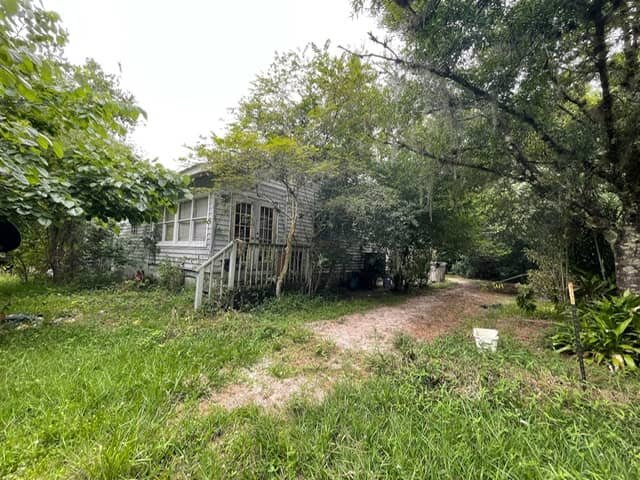
Why Vacant Homes Become a Problem in Florida
Florida properties can deteriorate fast — especially with humidity, storms, and intense sun exposure. Common issues we see with vacant homes include:
- Mold and moisture intrusion
- Roof leaks that go unnoticed
- HVAC damage or theft
- Plumbing leaks and water damage
- Pest infestations
- Vandalism and break-ins
- Overgrown landscaping and HOA violations
- Code enforcement notices and fines
- Higher insurance costs or policy cancellation
- Squatters and unauthorized occupants
Even if you plan to sell later, these problems often stack up quickly and reduce your options.
Can You Sell a Vacant or Abandoned House As-Is in Florida?
Yes. Many owners choose to sell as-is to avoid:
- Repairs and renovations
- Cleaning, junk removal, or hauling
- Landscaping and curb appeal expenses
- Inspection and appraisal delays
- Ongoing holding costs (taxes, insurance, utilities)
Selling as-is is especially common when the property has been vacant for a while or when the home needs major repairs.
Common Situations That Lead to a Vacant or Abandoned House
Owners often end up with a vacant or abandoned property due to:
- Inherited property after a death
- A rental property with tenants who moved out (or were removed)
- Divorce or separation
- Relocation or job change
- Medical issues or assisted living transition
- Fire, storm, or water damage
- Financial hardship or foreclosure pressure
- A house that needs repairs you don’t want to fund
If your situation fits any of these, you’re in the right place.
Selling a Vacant House With Repairs Needed
Vacant homes commonly have hidden damage that becomes expensive fast. Examples include:
- Roof leaks and ceiling damage
- Mold growth from humidity
- Electrical issues
- Plumbing failures
- Rotten wood or soft spots in floors
- Broken windows, doors, or missing appliances
- Septic or drain field issues
If you don’t want to renovate, selling as-is can prevent the “repair spiral” that keeps owners stuck.
What If There Are Title, Lien, or Tax Issues?
Many vacant or abandoned properties also have paperwork issues, such as:
- Unpaid property taxes or back taxes
- Code enforcement liens
- Contractor liens
- HOA liens
- Title defects or missing heirs
- Probate complications
These issues don’t always prevent a sale — but they do require the right process and the right buyer.
How Selling an Abandoned House in Florida Works
Most owners want a simple path forward. In a direct sale, the process is typically:
- Tell us about the property
- We review the condition and any known issues
- You receive a fair, no-obligation offer
- If it’s a fit, we close on your timeline
This is often the fastest route when the house is vacant, damaged, or filled with personal property.
Traditional Sale vs Direct Sale for Vacant Properties
Traditional Sale (MLS)
- Repairs and cleaning usually needed
- Showings and open houses
- Buyer inspections and lender requirements
- Longer timelines
- Higher risk of deal fallout
Direct Sale to a Buyer
- Sell as-is
- No repairs or cleanup required
- Faster closing options
- Fewer contingencies
- Works well for damaged or abandoned properties
Many owners choose a direct sale because it reduces time, uncertainty, and out-of-pocket expenses.
We Buy Vacant and Abandoned Houses Across Florida
Creating Real Estate Solutions helps homeowners sell properties in difficult situations, including vacant and abandoned houses in Florida.
We regularly purchase:
- Vacant houses
- Abandoned houses
- Vacant rentals
- Inherited vacant properties
- Houses with damage, liens, or title complications
If you don’t see your county listed, reach out anyway — we buy houses in most areas of Florida.
Get a Clear Plan to Move Forward
When a house sits vacant, costs and risks typically increase over time. Getting clarity on your options helps you protect your finances and avoid unnecessary stress.
If you’re considering selling a vacant or abandoned house in Florida, we’re happy to walk through your situation and help you understand the best next step. Or check out further resources on selling problem houses in Florida.