
Selling a House With Title Issues in Florida
Selling a house with title issues in Florida can be frustrating — and it often stops a sale right before closing. Even when the buyer is ready, the lender is approved, and the price is agreed upon, a title problem can delay the transaction or cause it to fall apart completely.
The good news is that many title issues can be resolved, and some homeowners choose a selling route that reduces delays and complications. This guide explains the most common title problems in Florida, how they impact your sale, and the options you may have to move forward.
What Are “Title Issues” When Selling a House?
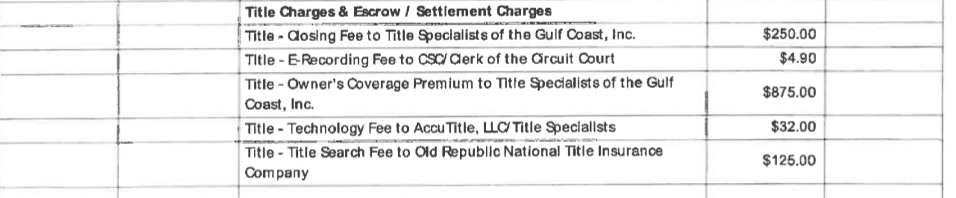
A title issue is anything that prevents a property from transferring to a new owner with clear ownership rights. Title companies look for these issues during the title search. If something appears that clouds ownership or creates a legal claim, it must typically be addressed before closing.
Can You Sell a House With Title Issues in Florida?
Yes — you can sell a house with title issues in Florida, but most title issues must be cleared before the deed can be transferred cleanly. In many cases, the title company or closing attorney identifies the issue early and outlines steps to fix it.
Some title problems are quick to resolve, while others may require legal documents, lender approvals, probate steps, or additional time. It’s frustrating and many people think they can’t sell their home due to this. But it can be done!!
Common Scenarios when Selling a House With Title Issues in Florida
Below are the most frequent title issues that impact Florida home sales:
1) Liens and Judgments
Liens are one of the most common title issues. These can include:
- Mortgage liens
- Property tax liens
- IRS liens
- HOA liens
- Mechanic’s liens from contractors
- Court judgments
Liens typically must be paid or released at closing.
2) Probate or Inherited Ownership Problems
If someone passed away and the property wasn’t properly transferred, you may have:
- Missing probate documentation
- Multiple heirs with ownership claims
- Disputes about who can sign
This often requires probate steps or legal documentation to clear title.
3) Errors in Public Records (Clerical Issues)
Simple mistakes can cause major delays, such as:
- Misspelled names
- Wrong legal descriptions
- Incorrect parcel numbers
- Recording errors on deeds or mortgages
These often require correction documents or re-recording.
4) Missing or Defective Deeds
If a deed was never recorded correctly, contains errors, or is missing signatures, it can cloud title. Title companies will usually require corrective deeds or affidavits.
5) Boundary and Survey Disputes
Survey issues can create title problems when:
- Fences or structures cross property lines
- Easements are unclear
- Neighbor disputes exist
These may require a new survey or legal resolution depending on severity.
6) Open Permits and Code Enforcement Problems
While not always a “title defect,” open permits and code enforcement matters can create title complications depending on municipality requirements and recorded notices.
7) Unreleased Mortgages or Paid-Off Loans Still Showing
Sometimes a mortgage was paid off but the satisfaction was never properly recorded. Title companies can usually help track down the lender and obtain a release.
8) Divorce and Ownership Disputes
If a divorce decree affects ownership — or a spouse’s interest was never properly removed — title can be clouded. This often requires certified court documents or corrective transfers.
9) Fraud, Forgery, or Identity Issues
Occasionally title issues involve suspected fraud or forged documents. These require immediate attention and often legal involvement.
How Title Issues Affect Your Ability to Sell
Title issues can cause:
- Delays in closing timelines
- Lender denials or underwriting holds
- Buyer uncertainty or contract cancellation
- Added costs for legal work or document retrieval
The earlier the issue is discovered, the more options you typically have. One house we bought in Estero Florida had a long chain of title since the 1950’s. There was an issue with title from the 1970’s that we were able to work with the title company resolve by tracking down the owner back then and get a simple document signed off on. We even offered to pay that person for the inconvenience in which they declined.
What To Do If You Discover Title Issues Before Selling
If you suspect a title issue, the fastest path is usually:
- Request a preliminary title search early
- Gather key documents (deeds, probate paperwork, divorce decree, payoff letters)
- Clarify who is on title and who must sign
- Identify whether any liens, judgments, or HOA balances exist
This helps you avoid last-minute surprises that derail deals.
Selling Options When There Are Title Issues
Option 1: Fix the Title and Sell Traditionally
This can work well if:
- The title issue is clear and solvable
- You have time
- The property is otherwise market-ready
Option 2: Sell As-Is With a Flexible Buyer
Some homeowners sell as-is while working through title problems. This can reduce repair pressure while focusing on clearing ownership and lien issues.
Option 3: Sell Directly When Time Matters
If the situation is urgent — foreclosure risk, probate delays, multiple heirs, unpaid taxes, or other complications — many homeowners prefer a streamlined process that focuses on resolving the title issue and closing without unnecessary delays.
Florida Title Issues Often Overlap With Other Problems
Selling a House With Title Issues in Florida – Title issues commonly overlap with:
- Liens and back taxes
- Probate and inherited property situations
- Divorce and separation
- Foreclosure timelines
- Code violations and open permits
Understanding the full picture helps you choose the best selling route.
Related Resources for Florida Home Sellers
If your situation involves problems like liens, probate, foreclosure, or legal questions, additional guidance can help you understand how title issues and closing requirements work in Florida. Also check out our Home Selling Resource Center for more helpful information.