
Selling a House With Mold in Florida
Selling a house with mold in Florida can feel overwhelming — especially when moisture, humidity, and water intrusion are common throughout the state. Mold issues often raise red flags for buyers, lenders, and inspectors, and many homeowners aren’t sure whether they’re required to remediate mold before selling.
The good news is this: you can sell a house with mold in Florida, and in many cases, it makes more sense to sell the property as-is rather than invest thousands into remediation.
This guide explains your options, legal considerations, and the smartest ways to sell a mold-affected home in Florida without unnecessary delays or costs.
Why Mold Is So Common in Florida Homes
Florida’s climate creates ideal conditions for mold growth, especially in homes with:
- High humidity and poor ventilation
- Roof leaks or plumbing leaks
- Flooding or storm damage
- HVAC or ductwork moisture
- Older construction or slab foundation issues
Mold can develop behind walls, under flooring, in attics, or inside air conditioning systems — often without being immediately visible. One common mistake homeowners make is not keeping the AC running. We bought a house off one guy in Englewood Florida who never ran his AC. Unfortunately, we had to get professional mold remediation involved which significantly affected his price.
Selling a House With Mold in Florida: Can You Legally Sell it?
Yes. Florida law does not prohibit selling a house with mold, but it does require disclosure in certain situations.
Florida Mold Disclosure Rules
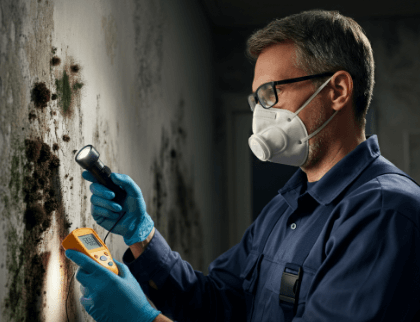
Florida sellers must disclose known material defects that materially affect the value of the property and are not easily observable. Mold can fall into this category if:
- Mold has been previously identified or tested
- You’ve had remediation performed
- Mold caused structural or health concerns
- Insurance claims or reports exist
Selling a House With Mold in Florida and failing to disclose known mold issues can expose a seller to legal liability after closing.
Do You Have to Fix Mold Before Selling?
No — you are not required to remediate mold before selling, but your selling strategy matters.
Your Three Main Options:
1. Remediate the Mold Before Listing
- Costly (often $5,000–$30,000+)
- No guarantee of higher sale price
- Still may scare buyers during inspection
2. List With a Realtor and Disclose Mold
- Buyer may demand price reductions or major repairs
- Financing issues are common
- Longer time on market
3. Sell the House As-Is to a Cash Buyer
- No repairs required
- No inspections or lender delays
- Fast closing with full transparency
For many Florida homeowners, the as-is option is the least stressful and most predictable.
Will Mold Prevent My House From Selling?
Mold doesn’t automatically stop a sale — but it can stop financing.
Traditional buyers using FHA, VA, or conventional loans often face:
- Appraisal failures
- Insurance complications
- Lender repair requirements
Cash buyers, however, can purchase homes with mold, moisture issues, and environmental concerns without repairs.
Common Types of Mold Issues We See in Florida Homes
| Mold Source | Typical Cause | Common Impact |
|---|---|---|
| Bathroom mold | Ventilation issues | Cosmetic to moderate |
| HVAC mold | Condensation buildup | Air quality concerns |
| Attic mold | Roof leaks | Structural risk |
| Wall mold | Plumbing leaks | Hidden damage |
| Flood-related mold | Storm or water damage | Extensive remediation |
How Selling As-Is With Mold Works
When you sell a house with mold as-is, the process is typically:
- You disclose known mold issues
- No inspections or repair demands
- Buyer assumes responsibility post-closing
- You close quickly without cleanup or delays
This approach is common for inherited homes, rental properties, vacant houses, and properties with deferred maintenance.
Can Mold Affect Property Value?
Yes — mold often impacts value because it introduces:
- Uncertainty for buyers
- Remediation costs
- Financing limitations
- Perceived health risks
However, pricing the property correctly and selling to the right buyer type minimizes these impacts.
When Selling With Mold Makes the Most Sense
Selling a house with mold is often the best option when:
- The property is vacant or inherited
- You can’t afford remediation
- Insurance won’t cover repairs
- You need to sell quickly
- The home already has multiple issues
We Help Florida Homeowners Sell Mold-Affected Homes
At Creating Real Estate Solutions, we work with Florida homeowners facing complex property challenges — including mold, water damage, code violations, liens, and title issues.
We buy houses as-is, with:
- No repairs
- No inspections
- No commissions
- No pressure
Every situation and house selling problems are different, and we’re happy to walk you through your options or read on at our Resource Center.