
Selling a House With Code Violations in Florida
Selling a House With Code Violations in Florida can make the process feel stressful and uncertain. Many Florida homeowners discover violations after receiving a notice from the city or county, attempting to sell, or realizing a past renovation was never properly permitted. Violations can range from overgrown lots and exterior deterioration to structural issues, unsafe conditions, or unpermitted work.
Even with code violations, selling your house may still be possible — and in many cases, selling as-is is the simplest path forward.
What Are Code Violations?
A code violation occurs when a property does not meet local building, safety, or maintenance standards set by a city or county. Code enforcement may issue a notice requiring the homeowner to fix the issue within a certain timeframe, and some violations can lead to fines, liens, or legal action if they remain unresolved.
Code violations are common in Florida and often involve maintenance items, repairs, or unpermitted improvements.
Can You Sell a House With Code Violations in Florida?
Yes, you can often sell a house with code violations in Florida, but the process depends on the type of violation, whether fines have been assessed, and whether any liens have been recorded. Traditional buyers may be hesitant because violations can create uncertainty, require repairs, or prevent financing approval.
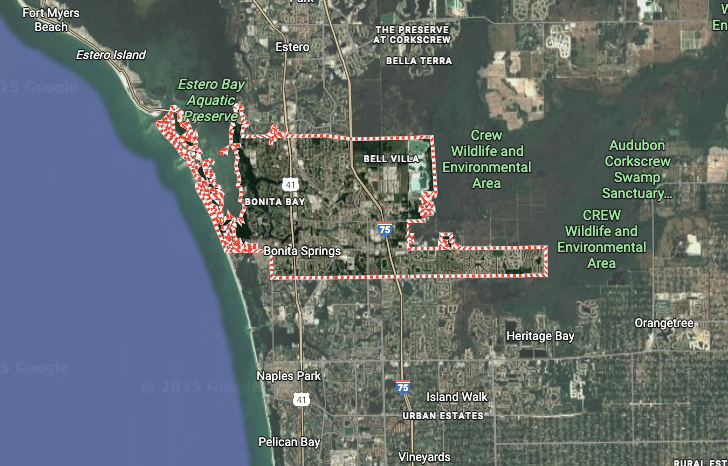
Selling a House With Code Violations in Florida to a buyer who is comfortable purchasing as-is can reduce delays and complications.
For example, we bought this property in Bonita Springs located in Lee County Florida. There was a shed on the property that the county deemed unsafe and had several violations and fees on it. We bought the property, paid the fees and demolished the shed. The sellers didn’t need to do anything!
Why Code Violations Can Complicate a Traditional Sale
Many buyers rely on mortgage financing, and lenders often require properties to meet basic condition standards. If code violations involve safety concerns, structural issues, or active enforcement cases, financing can become difficult and the deal may fall apart.
Traditional listings can also lead to repeated negotiations, repair requests, and extended timelines — which can be a problem when code deadlines, fines, or enforcement actions are involved.
Common Types of Code Violations
Code violations vary by county and municipality, but common examples include overgrown landscaping, debris or junk removal, exterior paint or deterioration, unsafe electrical or plumbing, roof concerns, broken windows, illegal additions, unpermitted renovations, fence issues, driveway or parking violations, and zoning-related usage problems.
Some violations are simple to correct, while others require permits, contractors, inspections, and time.
Selling As-Is vs. Fixing the Violations
Fixing code violations can be expensive and time-consuming, especially if permits, licensed contractors, and inspections are required. For homeowners who are already overwhelmed, facing deadlines, or dealing with other challenges, selling as-is may be the better option.
An as-is sale can eliminate the burden of coordinating repairs and navigating code enforcement requirements before selling.
What About Fines, Liens, or Open Code Cases?
Some code violations come with fines or may result in liens being placed on the property. In other situations, there may be an open enforcement case that must be addressed as part of the sale.
Each situation is different, but homeowners often still have options. A straightforward sale process can help move the property forward while working through the details tied to violations, fines, or liens.
How Selling for Cash Can Simplify a Code Violation Sale
Selling for cash can simplify the sale of a property with code violations because it reduces reliance on lender requirements and can shorten the timeline. Cash sales typically involve fewer contingencies, fewer repair demands, and less risk of delays caused by financing issues.
This can be helpful for homeowners who want clarity and certainty when dealing with code enforcement.
What Happens After You Decide to Sell
Once you decide to sell, the property is evaluated based on its condition and the specific code situation involved. An offer is made, and the closing process can move forward without repairs or commissions. This allows homeowners to avoid the stress of managing contractors, permits, and enforcement deadlines.
Get a Cash Offer for a House With Code Violations
If you need to sell a house with code violations in Florida, you do not have to solve everything alone before selling. A straightforward sale may help you avoid repair costs, reduce stress, and move forward quickly.
Get An Offer Today, Sell In A Matter Of Days…
Explore Other Home Selling Situations
Code violations are just one of many challenges homeowners face when selling a property. Some homes also involve major repairs, liens, foreclosure, probate, inherited ownership, tenants, or title complications. And many times, selling As-Is can make the process a lot less stressful. Learn more about selling a house with problems and explore options based on your specific circumstances.