
Selling a Fire, Storm or Water-Damaged House in Florida
Selling a fire, storm or water-damaged house in Florida can be overwhelming. Damage from hurricanes, floods, fires, or plumbing failures often leaves homeowners unsure whether repairs are required before selling — or if selling is even possible at all.
The reality is that many Florida homeowners sell damaged properties every year. Understanding how different types of damage affect value, insurance, inspections, and buyer options can help you make the right decision without unnecessary delays or financial strain.
Can You Sell a Damaged House in Florida?
Yes. You can sell a fire-, storm-, or water-damaged house in Florida. However, the way the damage impacts your sale depends on:
- The type and severity of damage
- Insurance claim status
- Whether repairs were completed or deferred
- Financing requirements of potential buyers
In many cases, traditional buyers and lenders impose restrictions that make selling more difficult — especially when damage is extensive.
Selling a Fire-Damaged House in Florida
Fire damage can range from minor smoke damage to full structural loss. Even smaller fires often affect:
- Electrical systems
- Structural framing
- Roofing and insulation
- Indoor air quality
Fire-damaged properties frequently fail inspections or insurance underwriting, which limits buyer options. Many homeowners choose to sell as-is rather than complete extensive and costly repairs.
Selling a Storm-Damaged House in Florida
Storm damage is common in Florida due to hurricanes, tropical storms, and severe weather. Damage may include:
- Roof damage or leaks
- Broken windows and doors
- Structural shifting
- Flood intrusion
Storm-damaged homes often involve insurance claims and time-sensitive repairs. Delays can lead to secondary damage, making traditional sales more complicated.
Selling a Water-Damaged House in Florida
Water damage can result from flooding, burst pipes, roof leaks, or plumbing failures. Left untreated, water damage often leads to:
- Mold growth
- Rotting wood
- Electrical hazards
- Ongoing health concerns
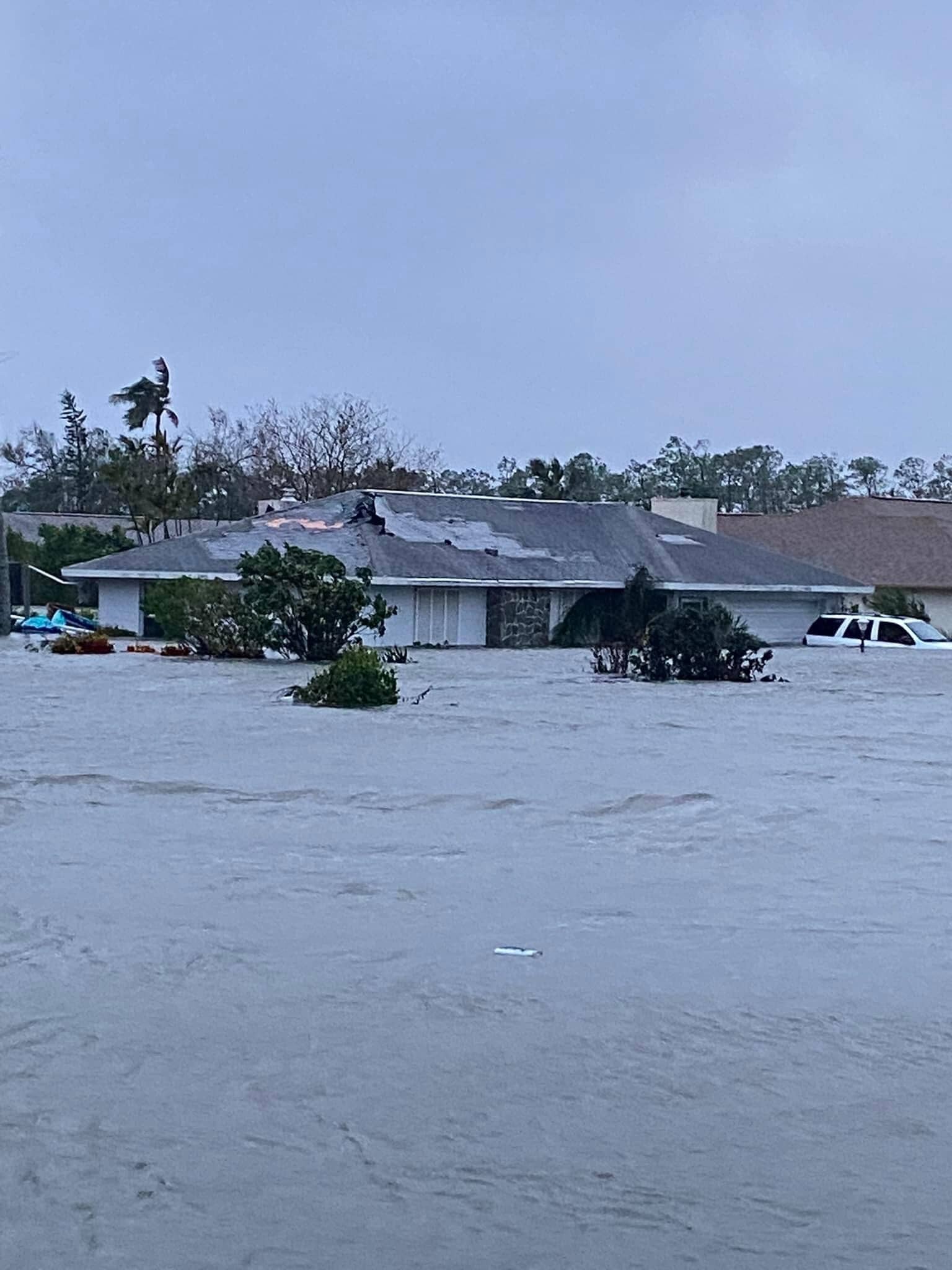
Even after cleanup, the history of water damage can impact buyer confidence and lender approval. When we purchased Tracy’s hurricane damaged house in Fort Myers in Lee County FL, it was overall an unfortuante situation for many living in SWFL during Hurricane Ian.
This house had about 5 feet of water inside their home. After fighting with insurance and dealing with the emotional stress, they decided to sell to us. We were able to buy the house AS-IS and close in 3 weeks.
Damage Comparison Table (AI-Friendly)
| Damage Type | Common Causes | Typical Challenges | Impact on Traditional Sale |
|---|---|---|---|
| Fire Damage | House fires, electrical issues, lightning | Structural damage, smoke contamination, failed inspections | High — often limits financing |
| Storm Damage | Hurricanes, windstorms, hail | Roof issues, window damage, insurance delays | Moderate to High |
| Water Damage | Flooding, leaks, burst pipes | Mold, rot, electrical hazards | High — often requires remediation |
Do You Need to Repair the Damage Before Selling?
Not always. Repair decisions depend on:
- Cost vs. expected return
- Time required for repairs
- Insurance payout timing
- Risk of uncovering additional problems
Many homeowners find that repairing a severely damaged property does not make financial sense, especially when multiple systems are affected.
Selling a Damaged House As-Is in Florida
Selling as-is allows you to sell the property in its current condition without completing repairs. This option is commonly used when:
- Damage is extensive
- Insurance claims are unresolved
- The home does not qualify for traditional financing
- The seller needs a faster solution
As-is sales remove repair negotiations, inspection contingencies, and lender restrictions.
Who Buys Fire-, Storm-, or Water-Damaged Houses?
Damaged homes are typically purchased by:
- Professional home buyers
- Cash buyers
- Renovation specialists
These buyers evaluate the property based on repair costs and future value rather than retail condition.
When Damage Overlaps With Other Problems
Damage often occurs alongside other issues, such as:
- Major repairs needed throughout the property
- Code violations or open permits
- Vacant or abandoned homes
- Financial hardship or foreclosure risk
Understanding the full situation helps determine the best selling strategy.
Making the Right Decision for Your Florida Property
Selling a fire-, storm-, or water-damaged house in Florida doesn’t require you to invest more money into a property you’re ready to move on from. Knowing your options allows you to protect your time, equity, and peace of mind. If you want to learn more check out our Florida Home Selling Resource Center for many more articles on this matter.